CES 2026: The Chinese Electronics Show?
Every 5-10 years CES reinvents itself to keep its position as the dominant consumer electronics show in the world. Two decades ago, there was a period when it was dominated by keynotes from Hollywood, back when home theatres were in vogue, powered by content delivered on a shiny disk. A decade after that, the automotive OEMs discovered the show, and soon after most CES-related headlines involved automotive brands. A few years later, CES introduced “Eureka Park”, a new basement location packed with early stage startups.
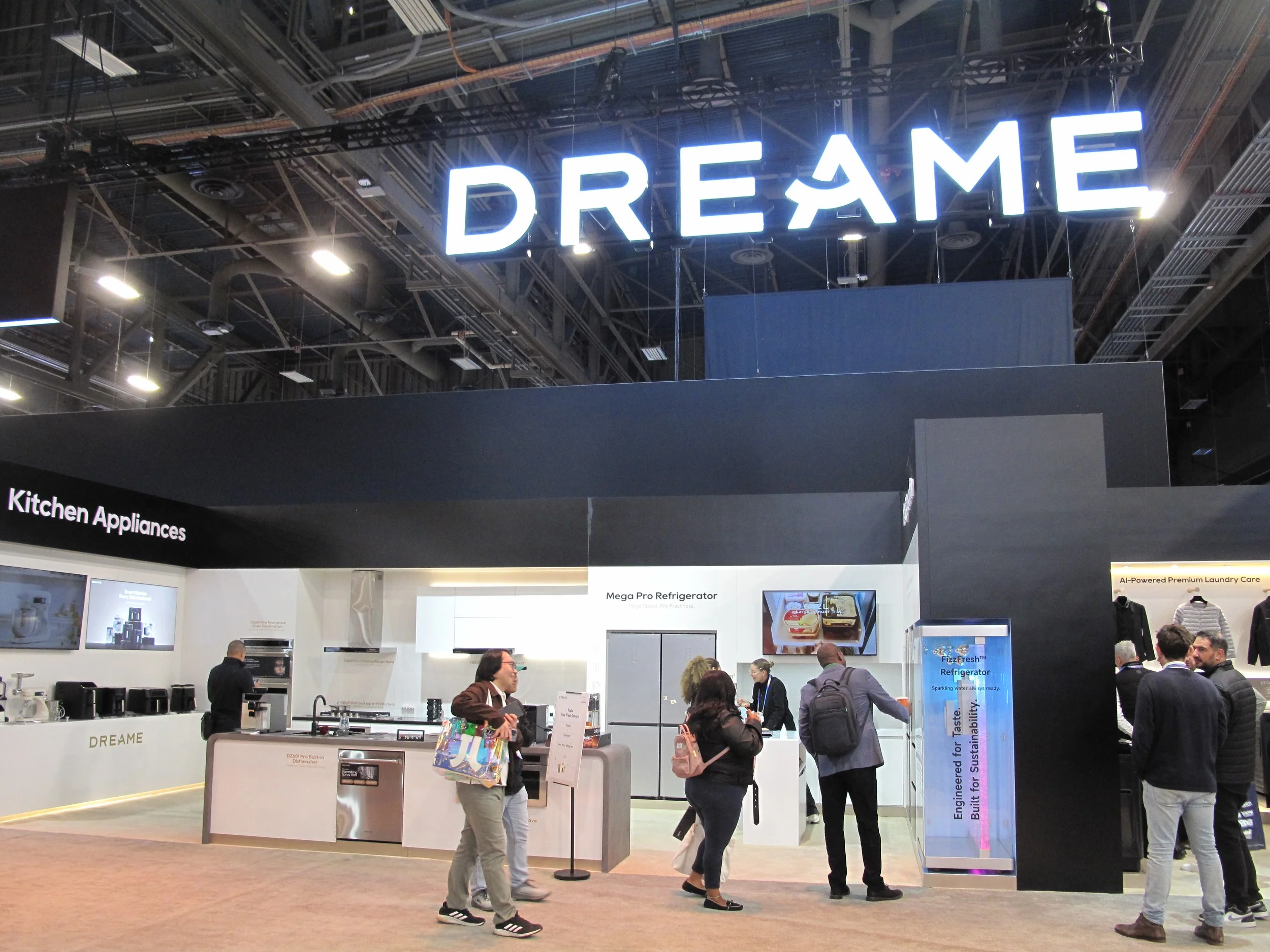
Well, after returning from CES 2026, I think we are again in the midst of a big shift. CES has become the “Chinese Electronics Show”. The big brands from the US, Asia, and Europe used to all be here, from Whirlpool to Canon to Mercedes-Benz, but they have largely abandoned the show. This year, Sony Electronics and Nikon threw in the towel and Samsung moved offsite to a hotel on the strip. Nonetheless, the show was exciting as usual. Who filled the void? Well, in the Central Hall, it was the emerging big brands from China: Changhong, TCL, HiSense, Dreame. All of them showed a range of products, from television sets to audio receivers to home appliances including refrigerators and dishwashers. Dreame even had a car!
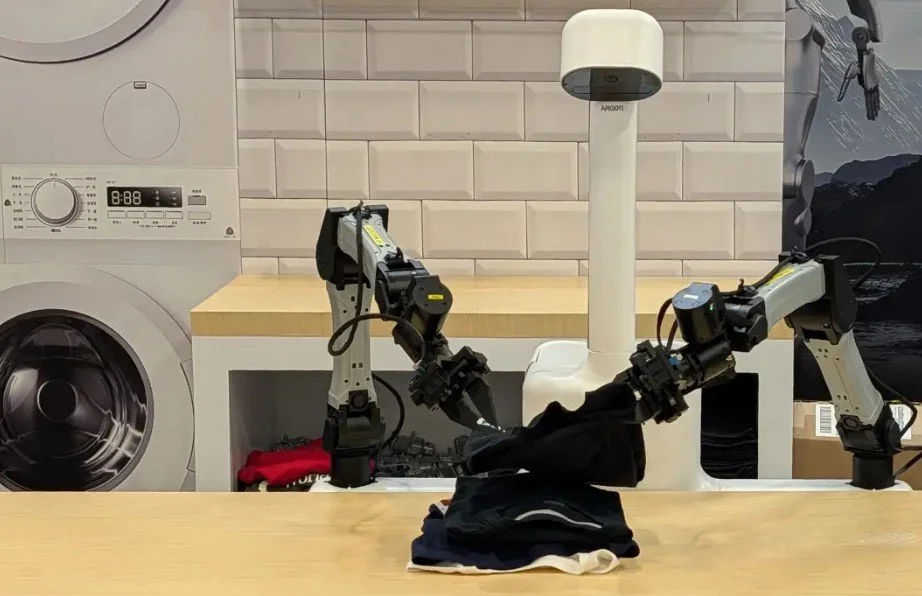
In the other, specialized halls, Chinese innovation was also dominant, with a few exceptions. Cool new products included autonomous clothing irons, lots of exoskeletons to help the knees, smart bird houses, lots of robotic cleaners, an “eternally” powered home door lock, smart tooth brushes, razors, and even telescopes. And then there were the robots: dancing, Kungfu, cleaning, clutter-busting*, ping-pong, chess, you name it. One of the most impressive demos involved a robot that could take laundry out of a basket and fold it,* the holy grail!
The West Hall was formerly dominated by the likes of Audi, VW, Mercedes-Benz, Ford, and Chrysler – this year you could look at cars from GWM and Geely. I stopped by the Waymo booth and, you guessed it, their successor vehicle to support their scale up this year (named Ojay) is manufactured by Zeekr in China.
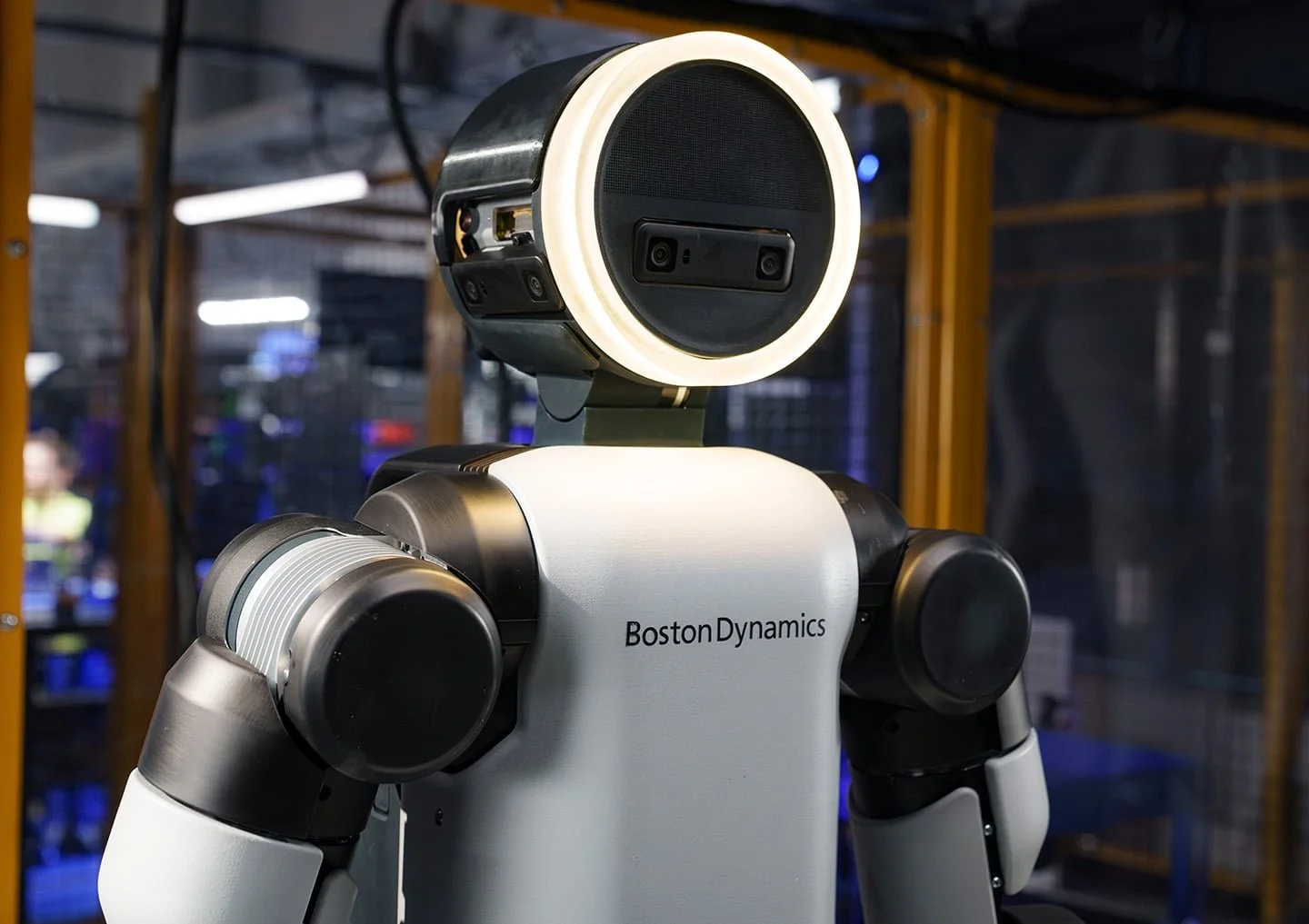
But despite the plethora of offerings from China, my Best-of-Show award goes to Hyundai. The company displayed few cars - instead the focus was on industrial robots, with Boston Dynamics’ next generation Atlas humanoid robot being the star of the show (Hyundai acquired the company in 2021). As I walked West Hall in the waning hours of the last day of the show, some exhibitors had already closed down and there was little foot traffic anywhere, but the Hyundai exhibit was packed: people were waiting four rows deep for the next “Atlas keynote” 15 minutes ahead of schedule. There was no demo of Atlas, only videos of how Hyundai envisioned its 24/7 operational capability with plant deployments this year. As we enter the age of LLM-like AI training in the physical world, it may be that the winning company is not the one with the biggest data centers, but the one with the most deployed robots!
Best-of-Show Hyundai can actually illustrate well my case about where Chinese innovation is headed. Hyundai (headquartered in South Korea) was an unknown brand in the USA until the late 1980s – today it’s a household name. CES has always been about creating the hype to build a brand. The new consumer brands are now mainly originating in China – and it appears they deserve a seat at the table to serve the global consumer. Soon, they’ll all be household names here.
* Clutterbot is based in New Zealand with R&D help from India
* Dyna is based in Silicon Valley (yeah!) with an R&D center in Shanghai…
More From our Archives