Personal Taxes... in the Age of AI
My 2025 tax return has just been filed, and my evolving procedures for doing so make a great way to assess the changing state (and usefulness) of AI.
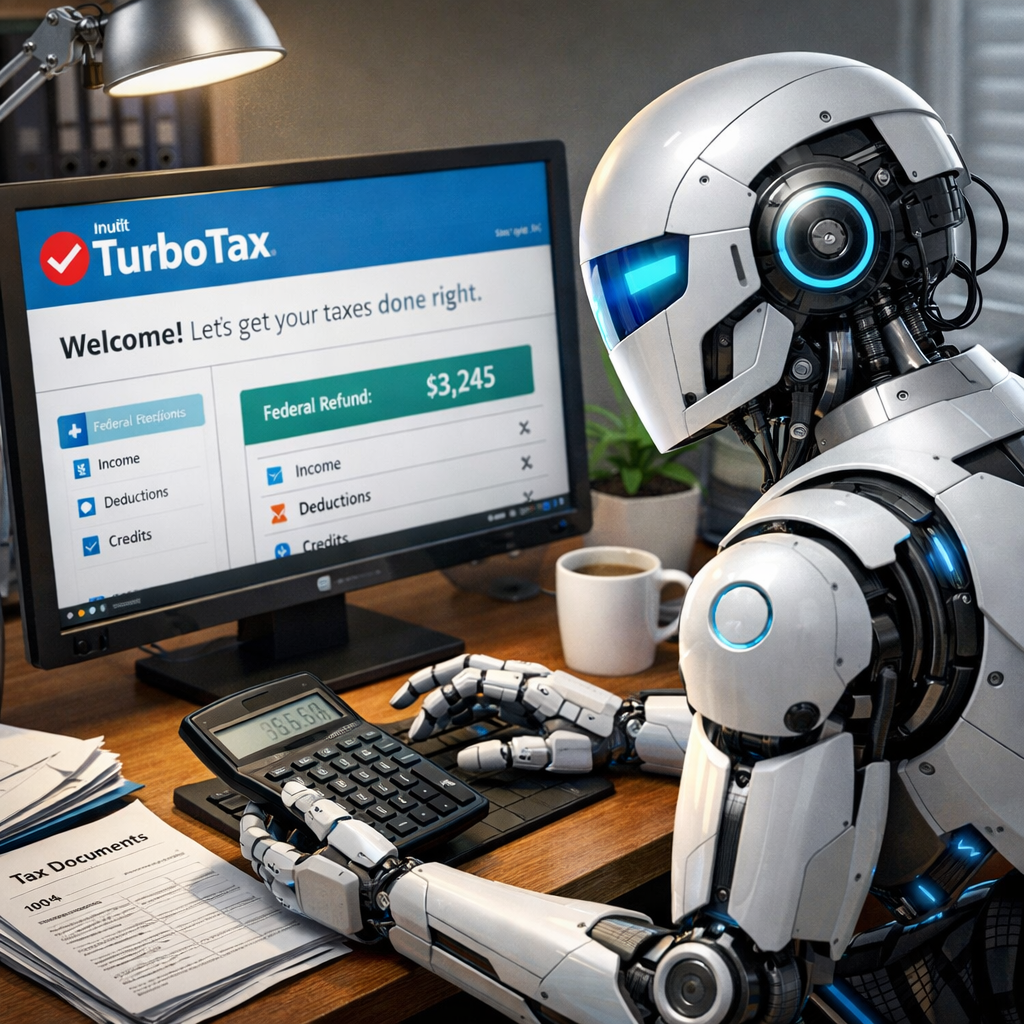
I do my own taxes using TurboTax and the latest version (TurboTax 2025) is still as dumb as a doornail. However, it does help me fill in all the forms, add up the numbers, and transmit them directly to the IRS.
Last year was the first time I had ChatGPT help me with my taxes. This involved navigating vehicle depreciation expenses made trickier by partial personal use over the years. I had been suspicious of TurboTax’s calculations in this area and, when I pretended that I sold the vehicle that year and asked TurboTax to calculate my final expense (or profit) based on its internal depreciation tables, it just gave me an error message and told me to do it myself. Argh!
I decided to turn this problem over to ChatGPT. It confidently constructed a depreciation table for the past ten years, using input from my old returns, and of course it also made glaring mistakes along the way. But, after a day of back and forth with ChatGPT, I became a vehicle depreciation expert and could correct the Excel table it initially constructed. ChatGPT was a great partner in helping me build knowledge and confidence!
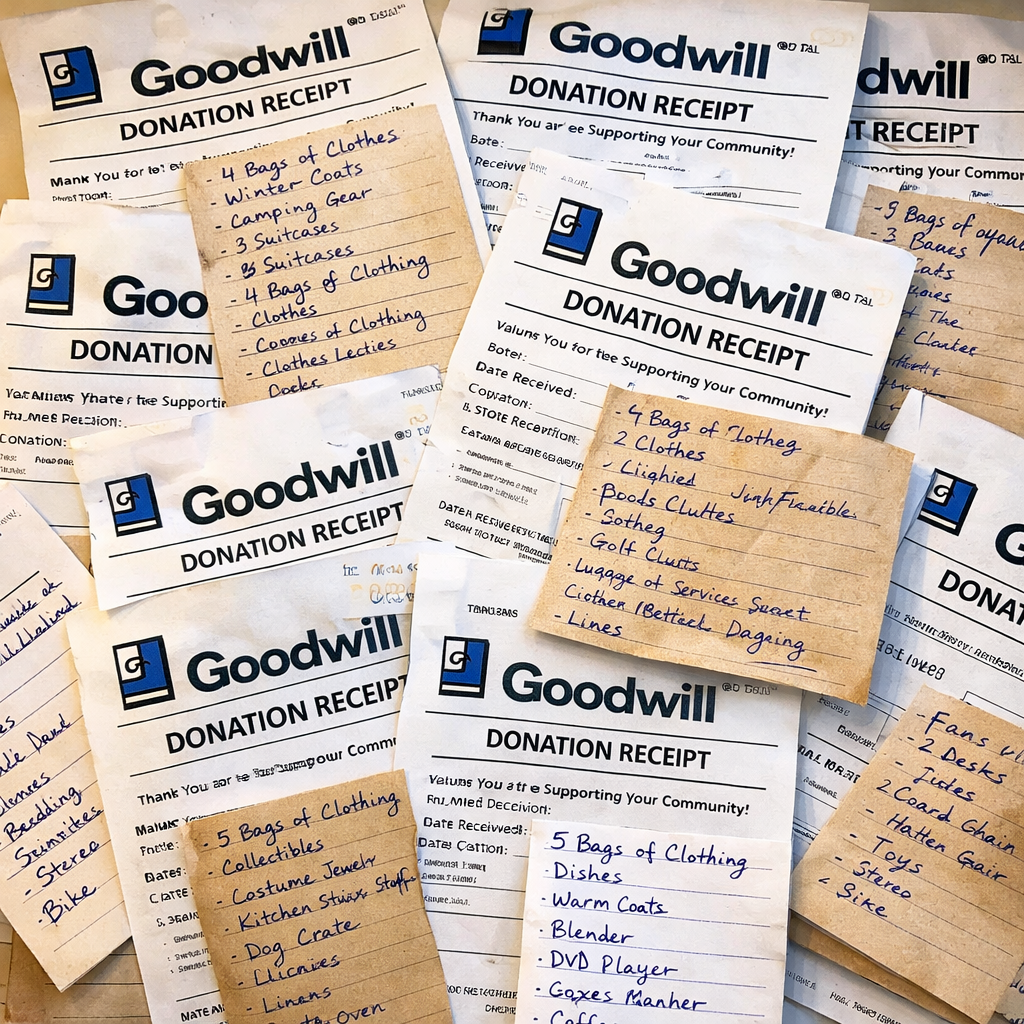
This year, I thought I’d give my most mind-numbing and time-consuming task to ChatGPT – the stack of scribbled donation records for Goodwill that my wife Lisa kept all year. This task always burns most of a day, as I need to manually click through TurboTax’s online guide (Clothing->Women->Sweater->Cardigan) to get a fair market valuation for each donated item. This year, I took photos of all those hand-written notes and asked ChatGPT to generate each item’s fair market value and add them up by donation date. It did a great job – I accepted 95% of its derivations. Last year, ChatGPT helped me build knowledge – this year it eliminated my most mundane task of the annual tax prep process.

Based on this evolution, what are my prognostications for the future? Well, first of all, if TurboTax doesn’t adopt AI soon, it will be replaced by a new entrant that does! Ideally, of course, we’d all love to have an AI agent magically file our taxes, but that won’t happen anytime soon: half the job of filing taxes is assembling all the input data provided by a huge variety of sources (W2’s, 1099’s, medical statements, brokerage forms, hand scribbled notes, pdfs) and then assigning it to the right forms “bucket”. Yes, I could take pictures of a few receipts here and there, but please don't ask me to do that for all 100+ documents in my folder before you will do my taxes!
Now, just as TurboTax should get smarter and more efficient with AI, the human tax advisors we hire should also get “AI-powered”, which will increase their productivity and hopefully lower their rates… right?
There is one more big mystery that I have been trying to figure out over the years and not even AI can help me with it: how is it that every year our family can donate over $3000+ worth of clothing to Goodwill? Shouldn’t we be running out of dresses, shirts, and shoes at some point?
More Blog Posts from our Archive: